
Bridge & Bedrock
Exploring the World of Geotechnical Engineering
-
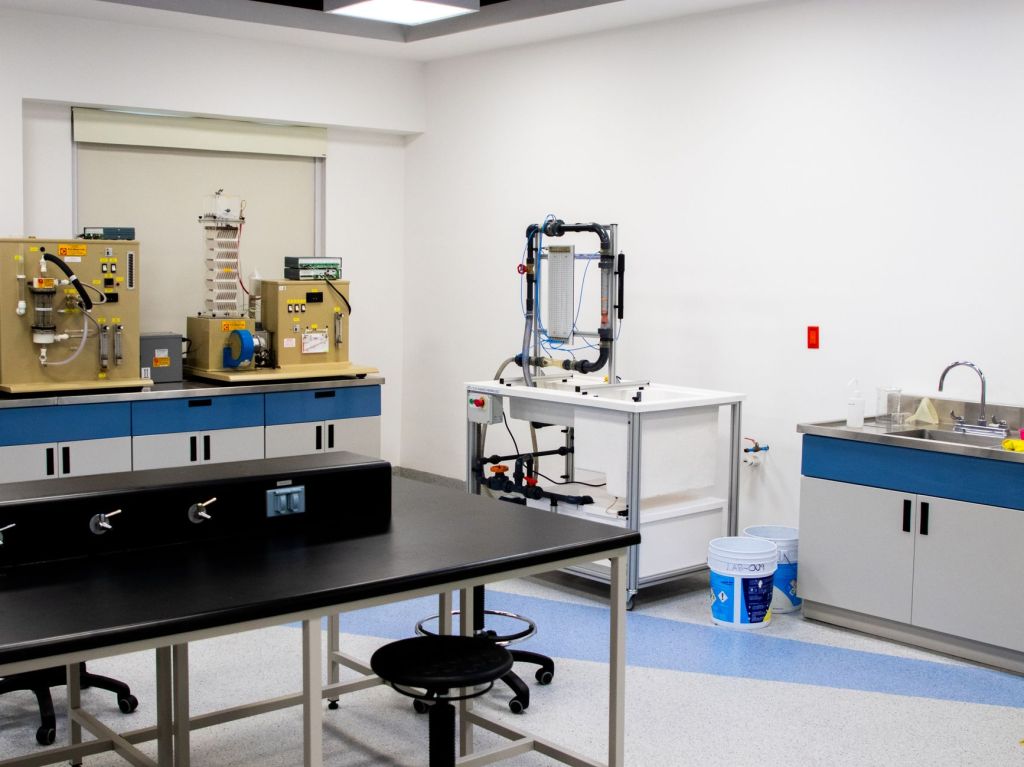
Back to Basics #12: Laboratory Testing Explained
The field observations made during a ground investigation — the borehole logs, the in-situ test results,…
-

Back to Basics #11: Groundwater Fundamentals
Groundwater is one of the most important, most variable, and most frequently underestimated factors in geotechnical…
-
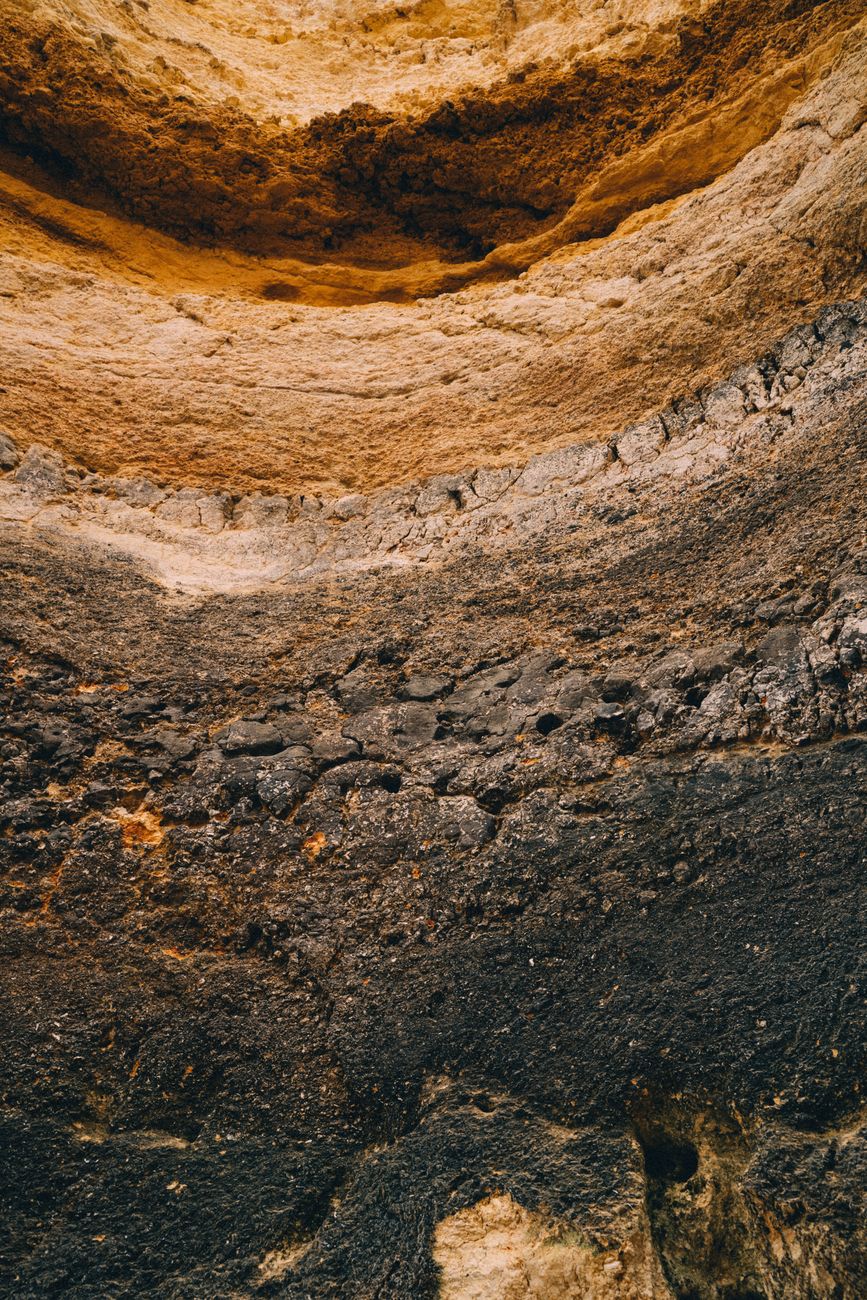
Back to Basics #10: Soil Classification Explained
Soil classification is the language of geotechnical engineering. Before a ground investigation can be interpreted, before…
-
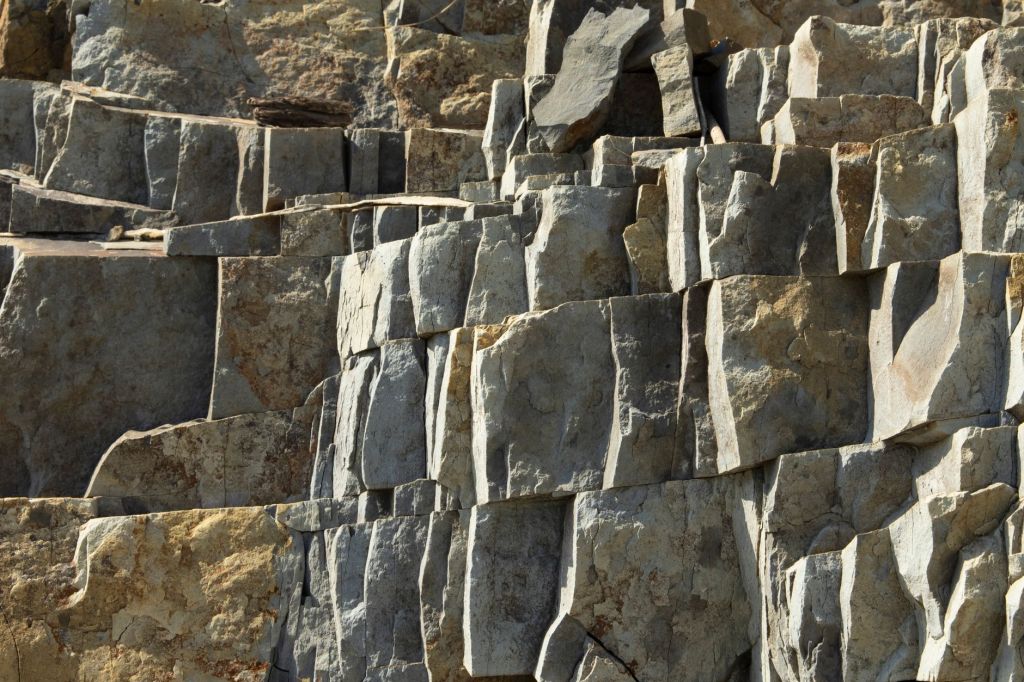
Back to Basics #9: Understanding Rock Mass Classification
The intact rock material recovered in a borehole core tells only part of the story. In…
-
Back to Basics #8: Logging Rock to BS 5930
Logging rock is a more demanding task than logging soil. Rock materials exhibit a far greater…
-
Back to Basics #7: Logging Soils to BS 5930
The purpose of standardised logging is not merely academic. A soil description produced by one engineer…
-

Back to Basics #6: Choosing the Right Investigation Method
One of the most consequential decisions in any ground investigation programme is also one of the…
-
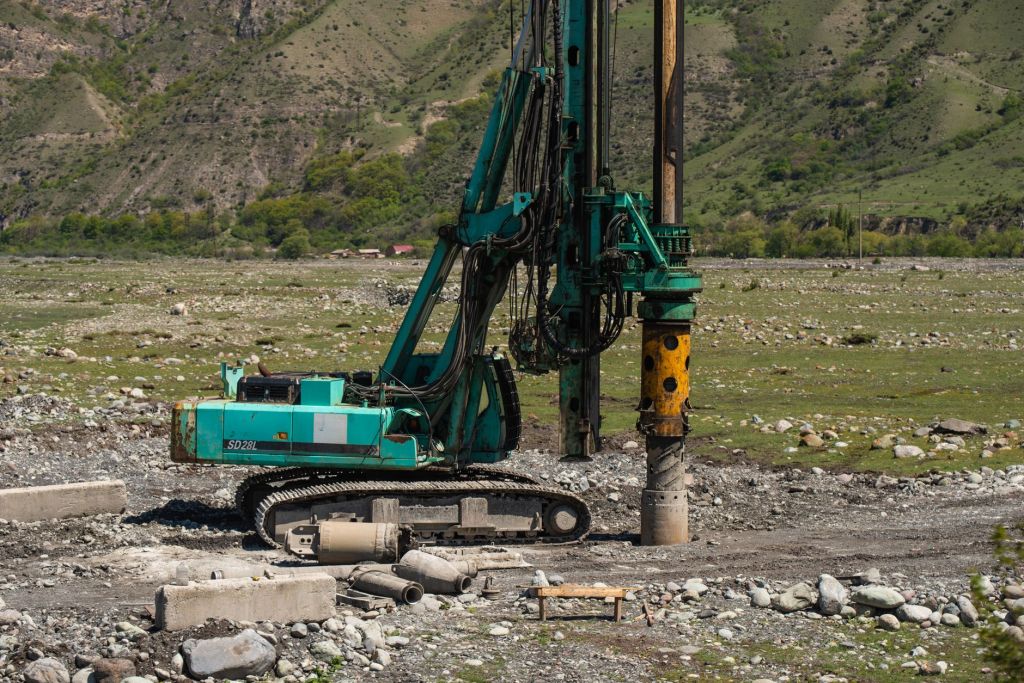
Back to Basics #5: Phase 2 Site Investigations
Once the desk study has established what is known about a site and identified the key…
-

Back to Basics #4: Desk Studies and Phase 1 Site Assessments
Before a single borehole is drilled or a trial pit dug, the competent geotechnical practitioner will…
-
Back to Basics #3: The Ground Investigation Process
Before any building, infrastructure, or civil engineering project can proceed, the ground must be understood. This…
 Bridge & Bedrock